
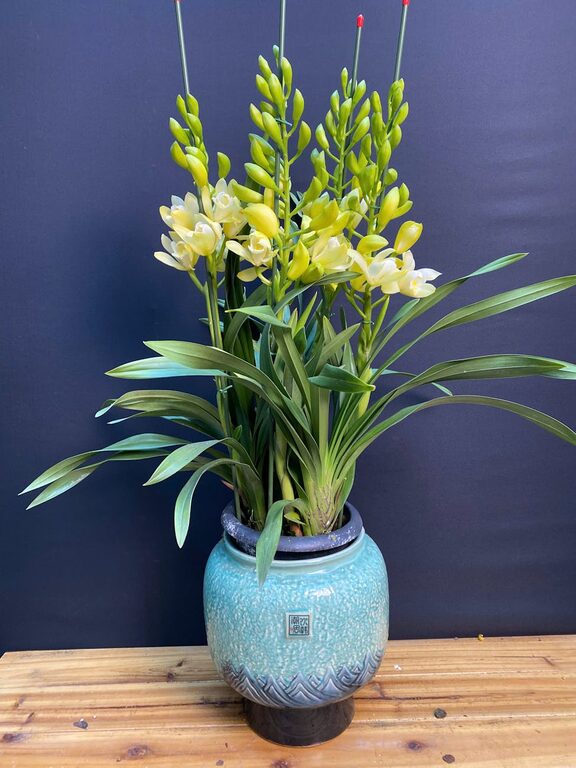
Bringing houseplants into your home adds a touch of nature, improves air quality, and can boost your mood. However, keeping these green companions healthy requires some knowledge and routine care. Whether you’re a seasoned plant parent or just starting, understanding the basics of plant health will ensure your indoor garden thrives.
Understanding Your Houseplants’ Needs
Every plant species has its preferences, but most houseplants share a few common requirements: light, water, soil, and nutrients. Recognizing these needs helps you provide proper care.
Light: The Energy Source
Plants need light to perform photosynthesis, which fuels their growth. The amount and type of light vary:
– Bright, indirect light: Many popular houseplants like pothos, peace lilies, and spider plants thrive here. Place them near windows with filtered light.
– Direct sunlight: Some plants, like succulents and cacti, prefer direct sunlight for several hours daily.
– Low light: Certain plants, such as snake plants or ZZ plants, can tolerate lower light but still require some indirect light.
Test the light in different spots of your home and select plants suited to those conditions or move plants seasonally to meet their needs.
Water: Finding the Balance
Overwatering is a common mistake that can lead to root rot, while underwatering causes wilting and leaf drop. Here’s how to get it right:
– Check soil moisture: Stick your finger about an inch into the soil. If it feels dry, it’s time to water.
– Water thoroughly: When watering, soak the soil evenly until water drains from the bottom, ensuring roots get hydrated.
– Adjust frequency: Water needs change with the season, plant type, and indoor climate. Most houseplants require less water in winter.
Soil and Drainage: Support for Growth
Good soil provides nutrients and allows roots to breathe. Use potting soil designed for indoor plants rather than garden soil.
– Drainage: Ensure pots have drainage holes to prevent water buildup.
– Repotting: Refresh soil and repot plants every 1-2 years or when roots outgrow the container.
Nutrients: Feeding Your Plants
Fertilizing provides essential nutrients plants may miss indoors.
– Balanced fertilizer: Choose one formulated for houseplants, often marked with balanced N-P-K ratios.
– Frequency: Feed plants during growing seasons (spring and summer) every 4-6 weeks; reduce or stop in fall and winter.
Common Tips for Maintaining Healthy Houseplants
1. Monitor Humidity Levels
Most houseplants prefer moderate humidity. Dry indoor air, especially during winter, can cause leaf browning.
– Use a humidifier, pebble trays with water, or group plants together to increase moisture.
– Misting leaves can help but is less effective for long-term humidity.
2. Trim and Prune Regularly
Removing dead or yellowing leaves keeps plants healthy and encourages new growth.
– Use clean, sharp scissors to avoid damage.
– Prune leggy branches to maintain shape.
3. Keep an Eye Out for Pests and Diseases
Indoor plants can attract pests like spider mites, aphids, or mealybugs.
– Inspect plants regularly for signs like webbing, sticky residue, or discolored leaves.
– Treat infestations promptly with insecticidal soap or neem oil.
4. Rotate Plants
Turn plants every week or two so all sides receive equal light, promoting uniform growth.
5. Clean Leaves
Dust can block sunlight from reaching leaves.
– Wipe leaves gently with a damp cloth or give plants a gentle shower.
Seasonal Care for Your Houseplants
Indoor plants still react to seasonal changes in temperature and daylight.
– Spring/Summer: Increase watering and fertilizing; move some plants outdoors if possible.
– Fall/Winter: Reduce watering and feeding; provide supplemental light if indoor days are short.
Final Thoughts
Healthy houseplants aren’t just about watering—they require attention to their environment and needs. By providing proper light, water, soil, and care, you can enjoy vibrant greens that brighten your home and improve your well-being.
Happy planting!